

Stop Saying "We'll Protect it Later"
Why Delaying Flange Protection Can Lead to Costly Rework
“We’ll protect it later.”
On a busy piping project, it can sound like a reasonable decision. There are materials to procure, components to fabricate, equipment to ship, and construction activities to coordinate. But when it comes to flange protection, waiting until later can create problems that are more expensive and time-consuming to solve.
A flange may pass through fabrication, sandblasting, painting, shipping, storage, transportation, construction, testing, and commissioning before it becomes part of the completed piping system. During each stage, the flange face can be exposed to moisture, dirt, debris, handling damage, weather, and other potential sources of damage or contamination. By the time someone notices a problem, the cost may extend far beyond the price of a flange protector.
What Happens When Flanges Are Left Unprotected?
Flange faces are designed to provide a critical sealing surface. Damage or contamination to that surface can create additional work before the flange can be installed or put into service.
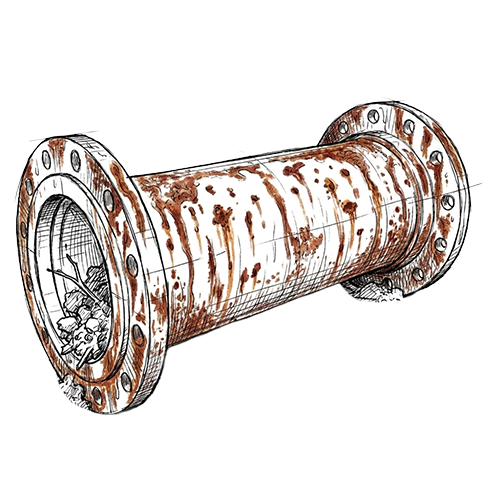
Depending on the project and environment, exposed flanges may be vulnerable to:
- Dirt and construction debris
- Moisture and corrosion
- Scratches, dents, and impact damage
- Welding debris
- Paint and overspray
- Sand or abrasive materials
- Damage during handling and transportation
- Contamination during storage
- Weather exposure
Some of these risks can occur quickly. Others may develop gradually while piping components are sitting in storage or waiting to be installed. The longer a flange remains exposed, the more opportunities there are for something to go wrong.
The Cost Isn't Just the Damaged Flange
One of the biggest misconceptions about flange damage is that the cost is limited to repairing or replacing the damaged component. In reality, flange damage can create a chain of additional activities.
Damage → Inspection → Cleaning → Rework → Additional Labor → Schedule Impact
A damaged or contaminated flange may need to be inspected, cleaned, repaired, or replaced before installation can continue. That can require additional labor, coordination, and it puts the crew at risk. If the problem is discovered late in the project, it can also affect other scheduled activities.
For large piping projects, even relatively small amounts of additional work can become significant when multiplied across numerous components.This is why flange protection should be viewed as part of piping asset protection and preservation, rather than simply another construction detail.
Where Can Flange Damage Occur?
Flange damage can occur at almost any point in the piping project lifecycle. From fabrication through commissioning, piping components are exposed to different environments, handling conditions, and construction activities that can put flange faces at risk.
During fabrication, Sandblasting, painting, shipping, transportation, and storage, flanges may be exposed to abrasive materials, paint, moisture, dirt, and handling damage. Once piping reaches the jobsite, construction, testing, and commissioning can introduce additional risks from weather, debris, equipment, and other jobsite activities.
Because these risks can change from one stage to the next, flange protection should be considered throughout the project not just when piping is ready for installation.
Don't Wait Until There's a Problem
The easiest time to think about flange protection is before the flange is exposed.
Rather than asking:
“How do we protect this flange now that there's a problem?”
Project teams can ask earlier:
“When does this flange need protection, and what type of protection is appropriate for each stage of the project?”
That question can be incorporated into procurement, fabrication, shipping, storage, and construction planning.
Before selecting a product, consider the environment the flange will encounter and the type of protection required.
For example:
- Will the flange be exposed to weather?
- Will it be handled or transported?
- Will surrounding piping be sandblasted or painted?
- Is the flange made from carbon steel or stainless steel?
- How long does the flange need to remain protected?
Answering these questions can help project teams select protection appropriate for the application rather than relying on a one-size-fits-all approach.
A Flange Protection and Preservation Plan Should Always Be Part of the Project
Flange protection is often treated as a small detail, but it can support a much larger objective: keeping piping assets in the condition required for installation and operation. Building protection into project procedures can help reduce the likelihood of preventable flange damage and the additional work that can follow.
A simple project checklist might include:
Fabrication → Sandblasting & Painting → Shipping → Storage → Transportation → Construction → Testing → Commissioning
At each stage, ask:
Is the flange protected?
That simple question can help make flange protection part of the process instead of something addressed after damage occurs.
Am I choosing the Right Flange Protector?
The appropriate flange protector depends on the application.
We're Here to Help
We are here to support you and your flanges throughout your entire project! Check out our entire produce line here.
Request Free Samples to protect your flanges here.
